
 PODCAST


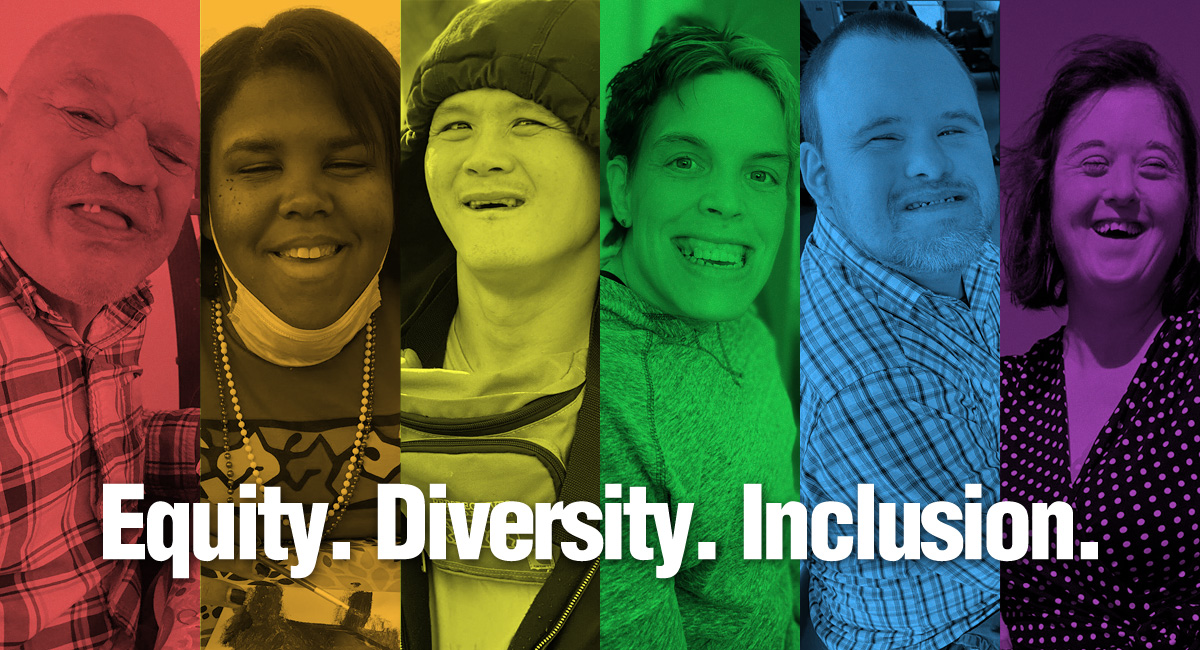
"We determined the need to start with a conversation about Inclusion as it applies to all marginalized groups of people, not just a specific group," says Senior Director Christine Hathaway, "and we want to take this conversation to wider audience, especially our front line staff."
That conversation centers on broaching the tough subjects that may come up in day to day life and thinking of how to address them effectively. "Knowledge is power," as is the common wisdom, and in a group involving sixty Perspectives professionals, including Directors, Site Supervisors, Program Managers, Service Coordinators, and more, the discussion centered on defining key topics and discussing ways in which they can break down barriers both on a personal and a structural level. By defining microaggressions, for example--something in which a person might display hostile, derogatory, or negative attitudes toward marginalized groups without necessarily realizing it or intending to--it becomes easier to open those honest conversations about where everyone can do better, and how to support each other in that goal.
"I think sometimes we can be too quiet when we need to be the ones that start those hard conversations," says Program Manager Dave Lizotte, "and part of [changing that] is acknowledging that we want to listen and don't have all the answers."
"Part of changing is acknowledging that we want to listen and don't have all the answers."Breaking down barriers is an obvious part of the work human services professionals do everyday already, working with individuals with disabilities to help them overcome not only their own challenges, but the lingering ideas in the greater community that might seek to limit them. However, it's multi-faceted, in that it's about more than educating others on disability rights and being an advocate in that regard. It's about acknowledging the attitudes and misconceptions that might come with race, gender, culture, religion, and other important parts of people's identity, too--and this affects everyone, individuals receiving supports and professionals providing those supports alike. As such, Perspectives professionals were also quick to speak and listen to each other as peers, finding ways to continue promoting a workplace that is safe, respectful, and always open to discussion and education.
"It takes continuous hard work to create an environment where these conversations become common, and it means being able to tolerate discomfort," says Behavioral Health Clinician Eric Fallon, "but we as leaders need to demonstrate an openness to ourselves being held accountable and accepting feedback."
With the changing seasons comes an air of change at Perspectives, too, as our professionals come together to tackle new challenges together. Beyond looking at ways to continue being advocates for people we support in our community and in their daily lives, we're always looking for new ways to work by our core values, and that means looking inside from time to time, as well. These leaders are learning how to grow not only as professionals, but members of our own communities, and everyone is ready to keeping the discussion going, both within and outside of our teams. It's a continuing commitment, and we're looking forward to what the future holds.